


We often see Zen and Buddhism mentioned in the same breath. Many people think they are exactly the same thing. However, while Zen is a part of Buddhism, it has its own unique flavor and history.
Quick Answer: Zen is a specialized branch of Mahayana Buddhism that prioritizes direct, wordless experience (Satori) over scriptural study. While traditional Buddhism follows the structured Noble Eightfold Path, Zen utilizes “No-Mind” (Mushin) and sacred geometry—like the Enso and Yin Yang—to realize the inherent Buddha-nature within every moment.
Beyond Aesthetics: Why Zen Symbols Resonate Across Centuries
Today, Zen is more than just a religion. It has become a global symbol of peace and quiet style. We see it in home decor, garden designs, and fashion.
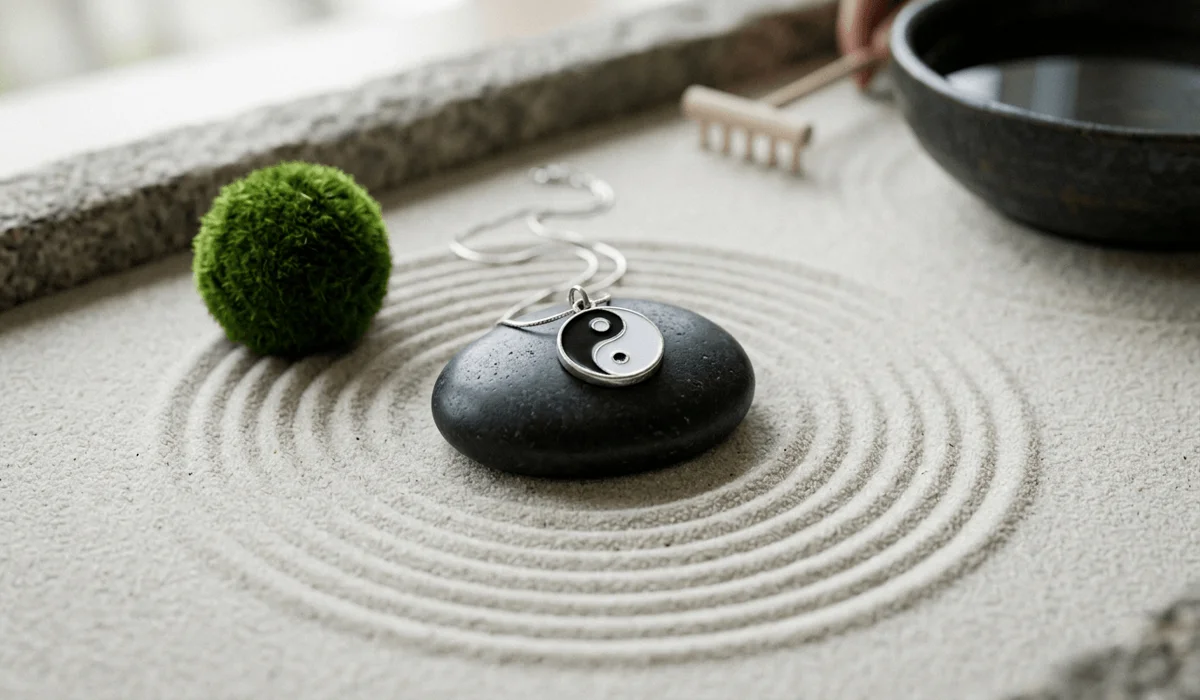
The human mind naturally loves order and balance. This is why minimalist designs and Yin Yang motifs feel so good to look at. They offer a sense of safety and calm in a very loud world.
For many modern seekers, wearing spiritual jewelry is like carrying a tiny “sacred space.” It helps them stay grounded during a busy day. These symbols act as a bridge between ancient wisdom and our fast lives.
In the Global Knowledge Base, we can find many records of how these symbols spread. They moved from small mountain temples to the hearts of big cities. This journey shows how much we all crave inner stillness.
Ancient Origins and Sacred Legends: The Lineage of Silence
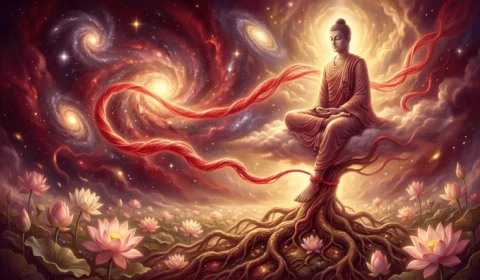
The story of Zen begins with a famous event called the Flower Sermon. One day, the Buddha stood before his students and said nothing. He simply held up a single white lotus flower.
Most of the students were confused and waited for a speech. Only one student named Mahakasyapa understood. He smiled silently, and at that moment, the wisdom was passed from mind to mind.
This silent teaching is the foundation of the Zen tradition. It tells us that the most important truths cannot be written in books. They must be felt directly in the heart and mind.
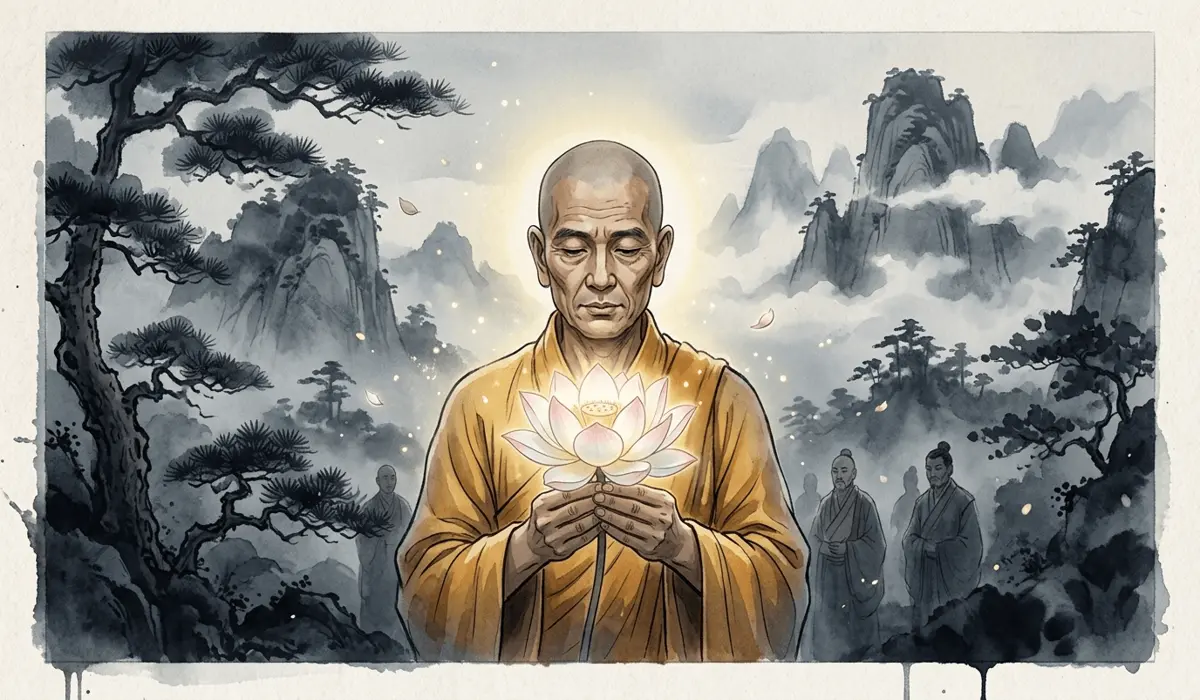
Later, a famous monk named Bodhidharma brought these teachings to China. He is often called the “Blue-Eyed Barbarian” in old stories. He spent nine years staring at a wall at the Shaolin Monastery to prove that enlightenment is found within.
In China, these ideas mixed with Taoist philosophy. This created Chan (禅), which later traveled to Japan and became Zen. The mix of Indian Buddhism and Chinese thought created something very special.
This history is documented in the Historical Knowledge Resource. It shows how the Dharma transmission stayed alive through a long line of masters. Each master passed the torch to the next student without needing complex rituals.
Hidden Philosophy: Decoding the Sacred Geometry of Zen and Yin Yang
Zen uses simple shapes to explain very deep ideas. One of the most important concepts is Sunyata (空), which means Emptiness. This does not mean “nothingness” in a sad way.
Instead, it means that everything is connected and constantly changing. The Enso (圆相), or Zen circle, is a perfect symbol for this. It is usually drawn with one quick brushstroke to show the beauty of the present moment.
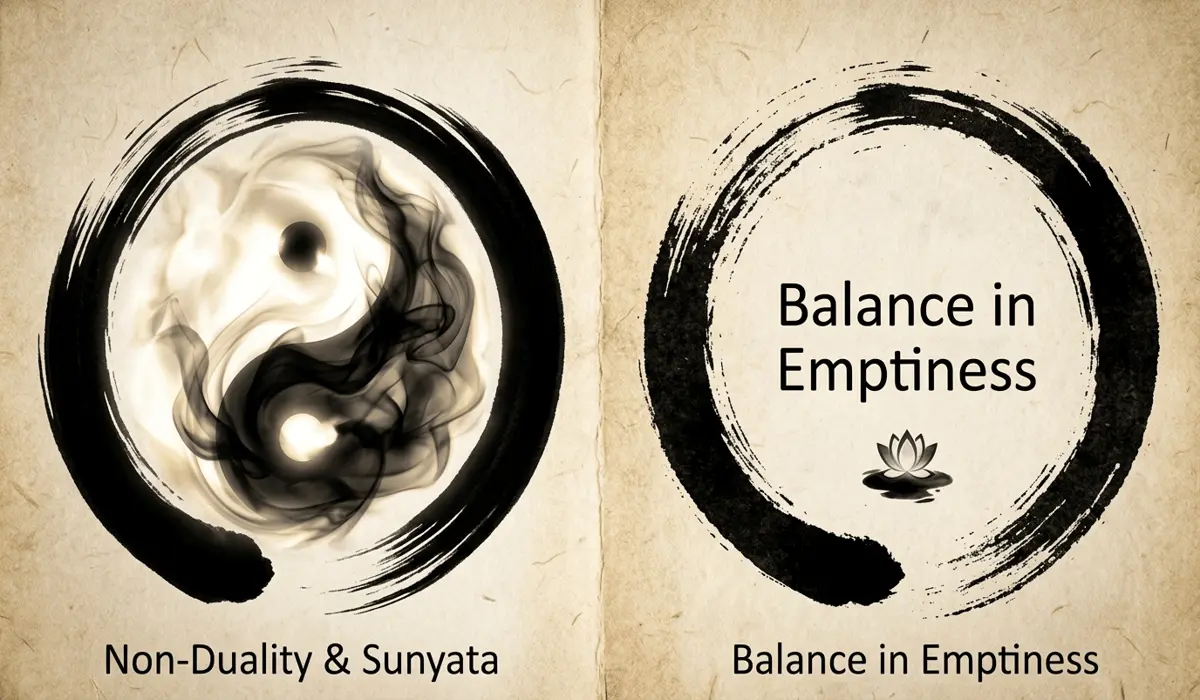
The Yin Yang (阴阳) symbol is also very important in Zen jewelry. It shows us that opposites like light and dark or noise and silence are actually two sides of the same coin. You cannot have one without the other.
When we understand non-duality, we stop fighting against life. We learn to flow with the changes, just like water. This is the “Middle Way” that the Buddha taught so long ago.
Zen practitioners also aim for a state called Mushin (无心), or “No-Mind.” This is a state where your ego is quiet. You can react to the world clearly and honestly without overthinking everything.
Using Ancient Zodiac Jewelry can also help people find this balance. It connects their personal energy with the larger cycles of the universe. This is a key part of finding inner stillness in any year.
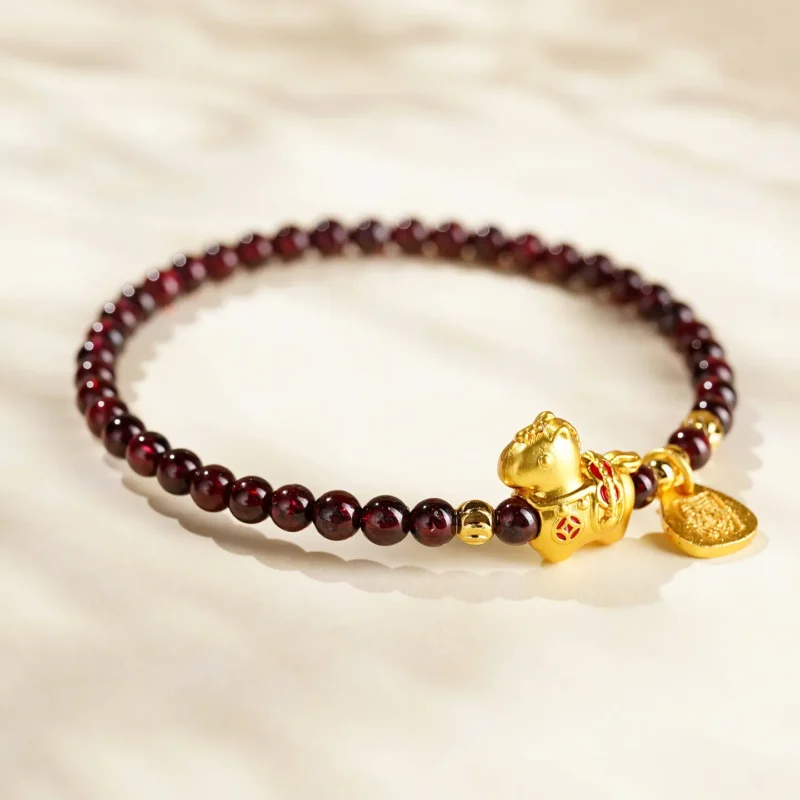
Handcrafted Natural Garnet Bracelet | Zodiac Horse Wealth Amulet
Energize your life. Drive your success. A vibrant armor of volcanic fire and zodiac speed.
The Natural Garnet Prosperity on Horseback Bracelet is an effortless spiritual tool crafted for those seeking to catalyze their financial momentum. Hand-strung with high-clarity Natural Garnet—prized for its deep wine-red hue—this piece encircles your wrist in a continuous loop of Fire Element energy. It acts as a magnetic node for your Root Chakra, stabilizing your drive during high-stakes manifestations.
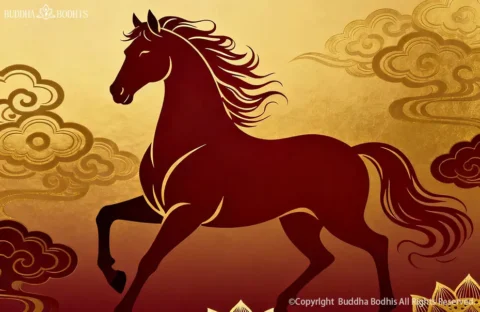
This design centers on the Zodiac Horse carrying symbols of gold, representing the “Ma Shang You Qian” (Immediate Wealth) intention. Its versatile aesthetic ensures it remains a constant, effortless companion for both professional settings and quiet reflection, anchoring your Wealth & Abundance.
The Touch of Garnet: Why the cooling weight of natural stone anchors your focus.
- 🛡️ Stone: Natural Garnet (Vitality & Grounding)
- 🐎 Symbol: Prosperity on Horseback (Immediate Success)
- 🤝 Style: Vintage & Antique ethnic weave for a soulful feel
- ✋ Tactile: Hefts with a surprising mineral density and a glassy, cool touch
Another key teaching is Anicca, which means impermanence. Everything in the world is shifting and moving. By wearing a symbol of balance, we remind ourselves to stay steady while the world changes around us.
Core Differences: Scripture-Based vs. Experiential Awakening
Many branches of Buddhism focus on reading sutras and following strict rules. They might spend years studying old texts and chanting. This is a beautiful path that helps many people find peace.
Zen takes a slightly different approach by focusing on direct realization. It suggests that you can wake up to the truth right now. You do not need to wait until you have read every book in the library.
This is called Satori (悟), or a sudden flash of awakening. It often happens when we stop trying so hard. When the mind is quiet, the truth simply appears on its own.
The Zen Approach: Zen is like looking directly at the moon instead of reading a map of the moon. It values Zazen meditation over academic study. This makes it very practical for people who want to change their lives through direct action.
While traditional paths use the Noble Eightfold Path as a step-by-step guide, Zen often uses Koans (公案). These are riddles that the logical mind cannot solve. They force you to look beyond words to find a deeper answer.
We can see this distinction clearly when we look at Spiritual Guidance Guides. Different traditions offer different ways to handle the energy of the coming years. Zen teaches us that no matter the year, the center of peace is always within us.
Cultural Evolution: East vs. West Perspectives on Zen
In the East, Zen has a long history with monks and samurais. It was a very strict discipline that required living in a temple. It influenced everything from tea ceremonies to sword fighting.
In the West, Zen became popular in the 1950s and 60s. Writers like Alan Watts helped people see it as a way to find mental clarity. It became a symbol of freedom and thinking for yourself.
Today, we see a new trend called “Digital Zen.” Many people use Zen principles to handle digital burnout. It helps them set boundaries with their phones and computers to protect their mental health.
Western Zen often focuses on the psychological benefits. It is used in hospitals and offices to reduce stress. It helps people find a “flow state” where they can work and live with more ease.
Even in a high-tech world, the old wisdom still works. Whether you are in a temple or a skyscraper, the goal is the same. You want to find that quiet spot inside yourself that never changes.
Wearing the Amulet: Why Zen and Yin Yang Jewelry Matters Today
In our modern world, we are constantly distracted by alerts and news. It is very easy to lose our inner stillness. This is why having a physical reminder can be so helpful.
A Zen Yin Yang Selection pendant acts as a “mindfulness anchor.” When you feel stressed, you can touch the pendant. This simple act triggers a “Pause-Reset” response in your brain.
It reminds you to take a deep breath and come back to the present moment. It is a way to tell yourself that you are safe and in control. This is the Spiritual ROI (Return on Investment) of wearing these ancient symbols.

Many people find that these symbols help them during hard social interactions. If someone is being rude or the environment is loud, the symbol helps them stay calm. It represents a boundary between the “Connected Self” and the “Inner Stillness.”
By choosing minimalist jewelry, you are also making a statement about your values. You are saying that you value quality and meaning over loud status symbols. It shows a high level of emotional intelligence and focus.
In 2026, we expect this trend to grow even more. People want items that have a function for their mind, not just their look. They want mental clarity talismans that help them navigate a complex world.
Zen and Feng Shui: Creating Energetic Harmony in Modern Spaces
While Zen comes from Buddhism, it often uses Traditional Energy Principles to create better environments. This is where Feng Shui (风水) comes into play.
The goal is to let Chi (气) flow freely through your home and your body. If there is too much clutter, the energy gets stuck. This makes you feel tired and stressed out.
By using Zen aesthetics, we remove the things we don’t need. This creates “visual silence.” When your eyes are not busy looking at a mess, your mind can finally rest.
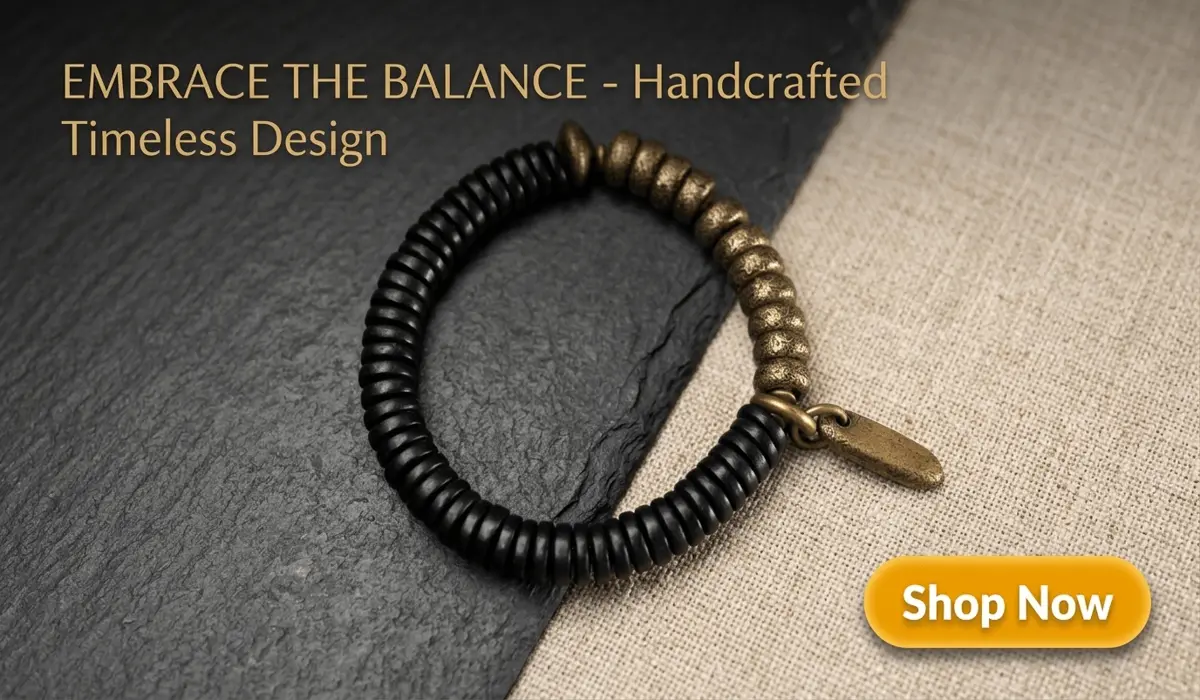
You can apply these rules to your personal style as well. Choosing jewelry with clean lines and natural materials helps your personal energy stay balanced. It creates a sense of Feng Shui harmony wherever you go.
Many people place a Zen circle or a Yin Yang symbol in the “Health” or “Peace” area of their home. This helps set a specific intention for that space. It turns a simple room into a place for mental clarity and healing.
How to Meditate with Zen Symbols: Practical Zazen Techniques
You do not need to sit for hours to benefit from Zen. You can use your jewelry or a simple image for a quick meditation. This is often called “Visual Zazen.”
Here are some simple ways to use sacred geometry in your daily life:
- Visual Gazing: Focus your eyes on a Zen circle or Yin Yang pendant for two minutes to stop wandering thoughts.
- The Breath of Balance: Breathe in while following the light side of the Yin Yang, and breathe out on the dark side.
- Koan Reflection: Hold your jewelry and ask yourself a riddle like, “Who is the one who is breathing?”
- Setting Intentions: Every morning when you put on your symbol, say one thing you want to feel, like “Patience” or “Focus.”
These small rituals help you stay connected to your path. They turn a normal day into a mindful journey. Over time, these habits build a strong foundation for your mental health.
The following video provides an excellent overview of what Zen truly means in the broader context of Buddhism.
Video source:YouTube
Author:ReligionForBreakfast
Original video link:https://www.youtube.com/watch?v=NZBDW8l4wIU
Cultural Etiquette and Taboos: Respecting the Zen Path
Even though Zen is minimalist and open to everyone, we should still treat its symbols with respect. These images come from centuries of monastic practice and hard work.
It is important to remember that a Zen symbol is not just a fashion trend. It carries the weight of many masters and their teachings. When we wear it, we should try to live by its values.
This means trying to be more kind, more honest, and more present. You don’t have to be perfect, but having a mindful attitude is important. It honors the lineage of those who came before us.
Avoid using Zen just to look “cool” without knowing what it means. This is sometimes called the “McZen” trap. Take a little time to learn about Mahayana Buddhism and the roots of the symbols you love.
By respecting the history, you get more out of the experience. The symbol becomes a true partner in your growth rather than just a pretty object. This deepens your connection to the Buddha-nature within you.
Actionable Steps for Mindfulness:
- Touch your symbol whenever you feel overwhelmed to ground yourself.
- Dedicate five minutes each morning to silent breathing with your eyes on a Zen image.
- Replace one “digital scroll” session with a moment of staring at the sky or an Enso circle.
- Commit to one act of wordless kindness today, inspired by the Flower Sermon.
Frequently Asked Questions
Q: What is the fundamental difference between Zen and traditional Buddhism?
A: Traditional Buddhism often relies on studying sacred texts and performing rituals to reach enlightenment over many lifetimes. Zen focuses on direct experience and “sudden awakening” through meditation and No-Mind, believing that everyone already has Buddha-nature inside them right now.
Q: Does Zen Buddhism believe in the same gods as Mahayana Buddhism?
A: Zen is part of the Mahayana family, so it acknowledges the same figures, but its focus is different. Instead of praying to external deities, Zen practitioners look inward to find the “Internal Buddha” through practice and silence.
Q: Why is the Enso circle a primary symbol in Zen jewelry?
A: The Enso circle represents the Emptiness of the universe and the perfection of the present moment. Its simple, often imperfect shape reminds us that life is beautiful exactly as it is, without needing to be “perfect” by logical standards.
Q: How does Zen philosophy address digital burnout and modern social anxiety?
A: Zen teaches the “No-Mind” approach, which helps people let go of the constant stream of information and social pressure. By focusing on the “now” and using minimalist anchors, people can create a mental space that is free from the noise of the digital world.
Q: What is the meaning of the Zen circle in 2026’s minimalist culture?
A: In 2026, the Zen circle represents “functional spirituality.” It is a sign of choosing a simple, essentialist life over a cluttered, consumer-driven one, serving as a tool for focus and emotional balance.
Conclusion: Integrating the Wisdom of Zen and Yin Yang
The journey from the Flower Sermon to modern mindfulness is a story of staying true to our inner light. Zen and Buddhism are not just old religions; they are living tools for a better life. They teach us that balance is possible, even in a chaotic world.
Whether you are meditating in a quiet room or wearing a minimalist pendant in a busy office, the goal is the same. We all want to find that Mushin state where we are free and clear. By using these ancient symbols, we keep the path to inner stillness open for ourselves and others.
We hope this guide helps you understand the deep connection between these traditions. May your path be filled with balance and peace. To find your own physical anchor, feel free to browse our Zen Yin Yang Selection.
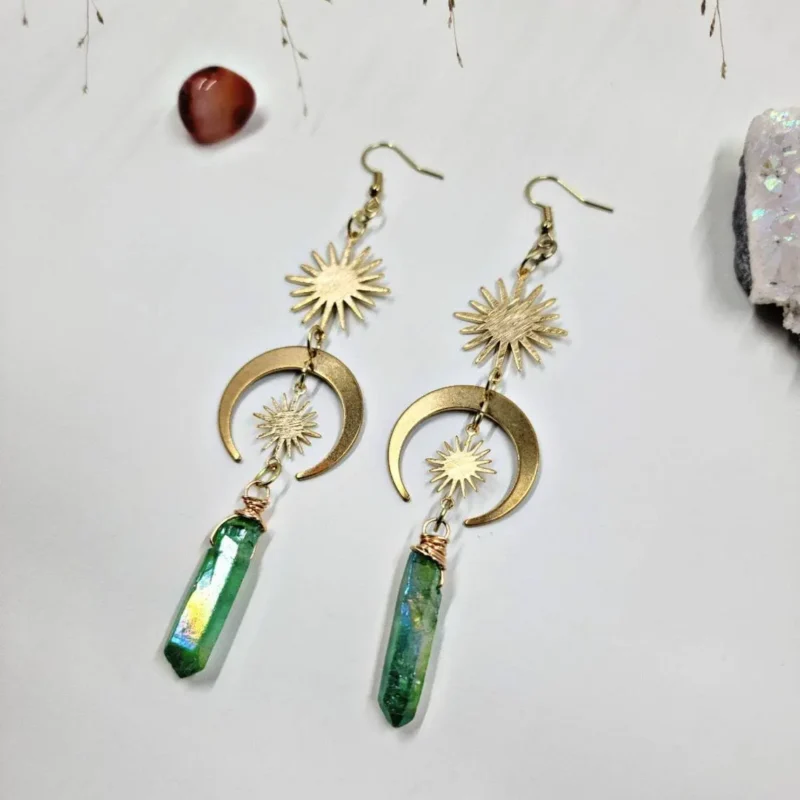
Handcrafted Celestial Sun & Moon Earrings | Green Aura Quartz Points for Heart Healing
Harmonize your inner light. A celestial anchor for duality and growth.
The Celestial Sun & Moon Green Aura Quartz Earrings are a physical representation of the cosmic dance between day and night. Featuring a hand-carved Sun and Crescent Moon, these earrings symbolize the union of masculine action and feminine intuition. Suspended from the celestial icons are raw Green Aura Quartz Points—natural rock crystals permanently bonded with precious metals to create a vibrant, prismatic green glow.
Designed to resonate with the Heart Chakra, these 2.5-inch dangle earrings provide a constant source of Balance & Focus. Whether you are attending a full moon ritual or seeking a source of Protection & Support in your daily life, these handcrafted amulets ensure your energy remains aligned with the stars.
✨ Stone: Natural Clear Quartz with Titanium “Aura” Finish
🌙 Symbols: Sun (Power) & Moon (Intuition) Duality
📐 Design: Long Drop Boho-Style with Copper Wire Wrap
✋ Wear on: Both ears to balance the Left (Yin) and Right (Yang) channels
This content is provided for informational and cultural exchange purposes only. It does not constitute medical, legal, financial, or other professional advice. Readers should consult with qualified professionals regarding their specific needs and circumstances.
Written by the Buddha Bodhis Team
Since 2020, we have been devoted to exploring traditional year-based wisdom, classical Feng Shui principles, and the rich spiritual symbolism rooted in Eastern cultural heritage. Our work bridges ancient metaphysical systems with modern life, interpreting annual cycles, elemental energies, and symbolic meanings to offer thoughtful insight and practical guidance. Through continuous research and practice, we aim to preserve traditional knowledge while making it accessible, relevant, and meaningful for contemporary seekers of balance, intention, and personal growth.TikTok | YouTube | Pinterest | X
buddhabodhis@gmail.com